
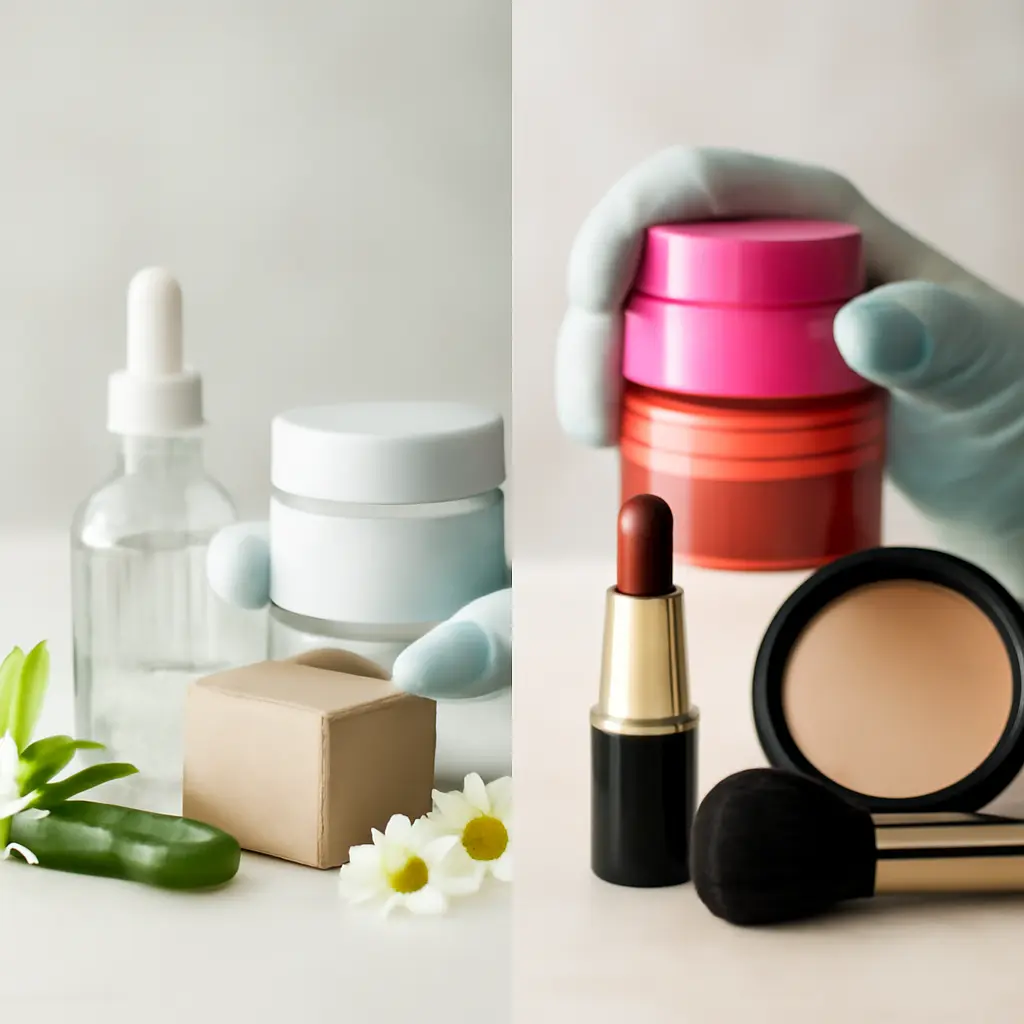
Clean Beauty vs Traditional Cosmetics: Which Is Safer for Skin?
Clean beauty has moved from niche to mainstream, promising simpler formulas and gentler care. But is it truly safer than traditional cosmetics? This article breaks down the science, the ingredient risks, practical buying steps, and why a familiar metric like a Casino overview rating can help you evaluate brands and transparency. Read on for an expert-backed guide that helps you choose safer products for real skin results.
What “clean” means varies by brand—there’s no single legal definition. Generally, clean beauty emphasizes fewer questionable chemicals, cruelty-free practices, and ingredient transparency. That transparency is where a third-party summary, similar to a Casino overview rating, becomes useful: it gives a quick signal about trustworthiness and consistency across products and manufacturers.
How clean and traditional formulas differ
Traditional cosmetics often prioritize performance and shelf-life, using synthetic preservatives, fragrance blends, and certain solvents. Clean brands may avoid those to reduce irritation risk or environmental impact, but they can substitute with alternatives that come with trade-offs. Consider these common contrasts:
- Preservatives: Parabens in traditional products vs. "natural" preservatives in clean options.
- Fragrance: Mixed synthetic blends vs. essential oil fragrances that can be allergenic.
- Active delivery: Solvent-based actives in traditional lines vs. gentler carriers in clean lines.
Ingredient risks: what to watch for
Understanding ingredient risk requires context. Some compounds are well-studied; others have inconclusive data. Below is a concise table comparing common ingredients and safer alternatives so you can make practical choices.
| Ingredient | Traditional Risk | Clean Alternative | Notes |
|---|---|---|---|
| Parabens | Hormone disruption concerns in high exposure | Benzyl alcohol, phenoxyethanol | Alternatives may be less studied; patch-test if sensitive |
| Phthalates | Endocrine disruption associations | Fragrance-free or phthalate-free fragrances | Look for full fragrance disclosure |
| Synthetic fragrance | Allergy and irritation risk | Single essential oils or aroma-free | Essential oils can still irritate sensitive skin |
| Sulfates | Stripping oils, potential irritation | Mild surfactants (coco-glucoside) | Better for dry or compromised skin barriers |
| Alcohols | Evaporation can dry skin | Fatty alcohols (cetyl, stearyl) | Fatty alcohols are conditioning and safe |
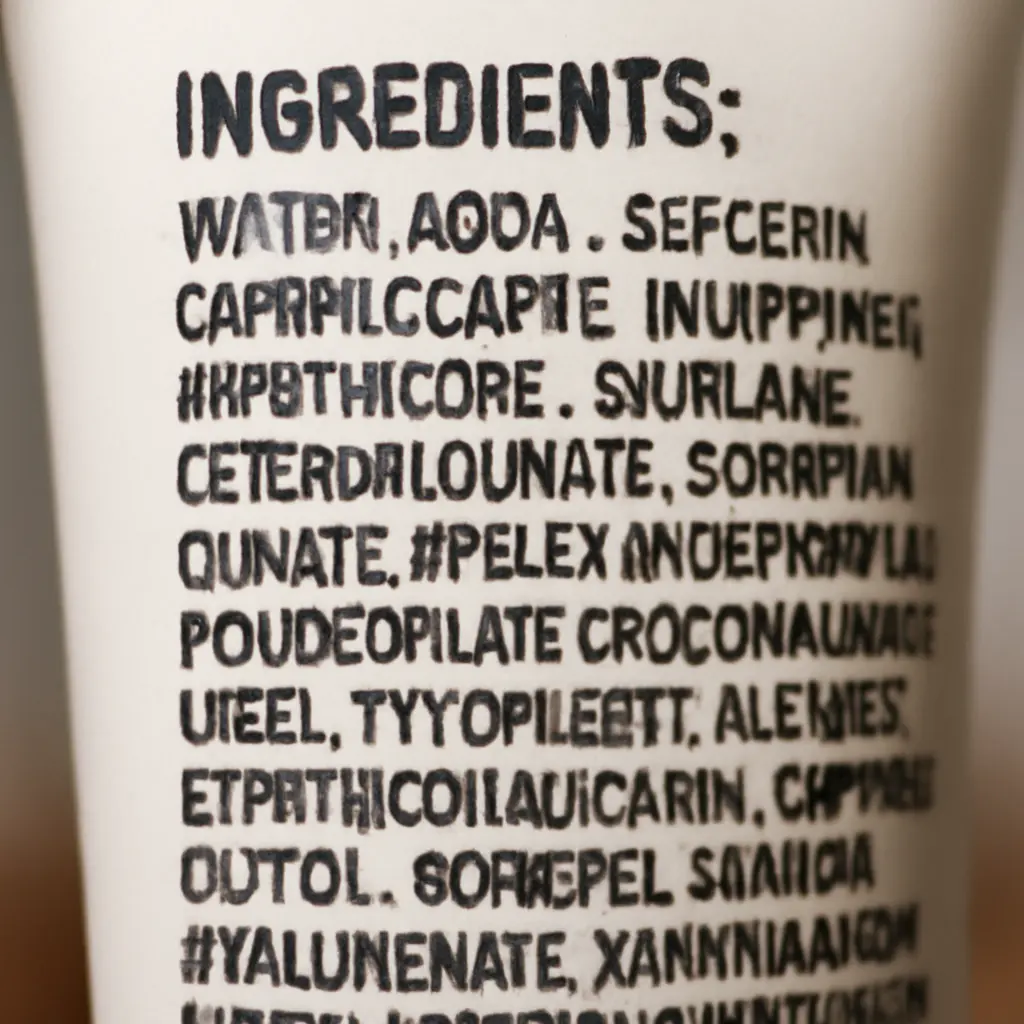
When evaluating labels, prioritize concentration, order of ingredients, and whether a brand provides sourcing or safety data. A transparent brand with a clear third-party Casino overview rating-style summary usually reports testing results and recalls—this is a red flag if missing.
Real-world evidence: irritation, allergies, and long-term risk
Skin reactions are most often caused by fragrances, preservatives, and actives like retinoids or acids. Clinical data shows contact dermatitis is common with both clean and traditional lines depending on the ingredient. Long-term systemic risks (like endocrine effects) depend on exposure level—single product use is less likely to cause harm than cumulative exposure from multiple sources. Because of this, many shoppers use a risk-scoring approach similar to a Casino overview rating to compare overall transparency, testing frequency, and ingredient lists.
How to choose safer products: step-by-step
Here’s a practical routine to evaluate a product before purchase. Think of it as a mini-audit you can do in-store or online.
- Scan the label for known sensitizers: fragrance, phthalates, parabens.
- Check the ingredient order: the first five ingredients determine most of the formula.
- Look for clinical data or third-party audits; a brand with clear scoring or a Casino overview rating-like summary is preferable.
- Patch-test for 48–72 hours when trying new actives.
- Prioritize products that disclose concentrations of actives and safety tests.
If you want a deeper reset of your routine or are troubleshooting why products don't perform, reference targeted advice on how to fix your skin. That guide complements this article with practical regimen fixes.
Myths and realities about “natural” ingredients
“Natural” doesn't automatically mean safe. Many botanical extracts can cause photosensitivity or allergic reactions. Conversely, some synthetic ingredients have decades of safety data and enable effective, stable formulations. Use a balanced approach: prioritize proven safety and efficacy over marketing claims. A dependable brand profile—ideally with a transparent Casino overview rating—helps cut through hype.
Below are quick tips for different skin types:
- Sensitive skin: Choose fragrance-free, minimal-ingredient formulas and favor brands with published irritation test results.
- Oily/acne-prone: Non-comedogenic labels matter; look for clinical acne testing and clear active concentrations.
- Dry/mature: Seek humectants and emollients; avoid high alcohol levels.
For a science-backed routine that builds glow without guesswork, consider reading the expert steps in the glowing routine article. It offers specific product classes and timing strategies that pair well with clean principles.
Brand trust, transparency, and the role of ratings
Because "clean" lacks a formal standard, third-party scores and audits are essential. A comprehensive Casino overview rating-style metric can include: ingredient transparency, batch testing, sustainability practices, and customer safety reporting. Use these scores as a guide, not an absolute rule—combine them with ingredient literacy and personal patch-testing.
Quick checklist to use with any rating system:
- Does the brand publish ingredient sourcing?
- Are actives listed with concentrations?
- Is there third-party verification or clinical data?
- Does the brand respond publicly to safety questions?
When clean beauty may not be safer
Some clean formulations trade effective preservatives for weaker ones, increasing contamination risk—this can be unsafe. Others swap a well-studied synthetic for an essential oil that causes irritation. Don’t assume a product is safer solely because it’s marketed as clean. Instead, look for a balanced formula and documented testing, and consider the brand’s overall Casino overview rating for broader context.
Practical buying strategy: start with samples, read unbiased reviews, check third-party scores, and introduce one new product at a time so you can isolate reactions.
Conclusion: balancing safety and efficacy
Both clean beauty and traditional cosmetics have safe and risky examples. The smart approach is methodical: learn key ingredients, prefer transparent brands with clear testing, and use a third-party summary—much like a trusted Casino overview rating—to shortcut trust decisions. Above all, prioritize documented safety and what works for your skin type rather than marketing labels alone. With these steps, you can enjoy effective skincare while minimizing irritation and long-term risk.

To leave a comment, please sign up or log in
Log in / Sign up